Description
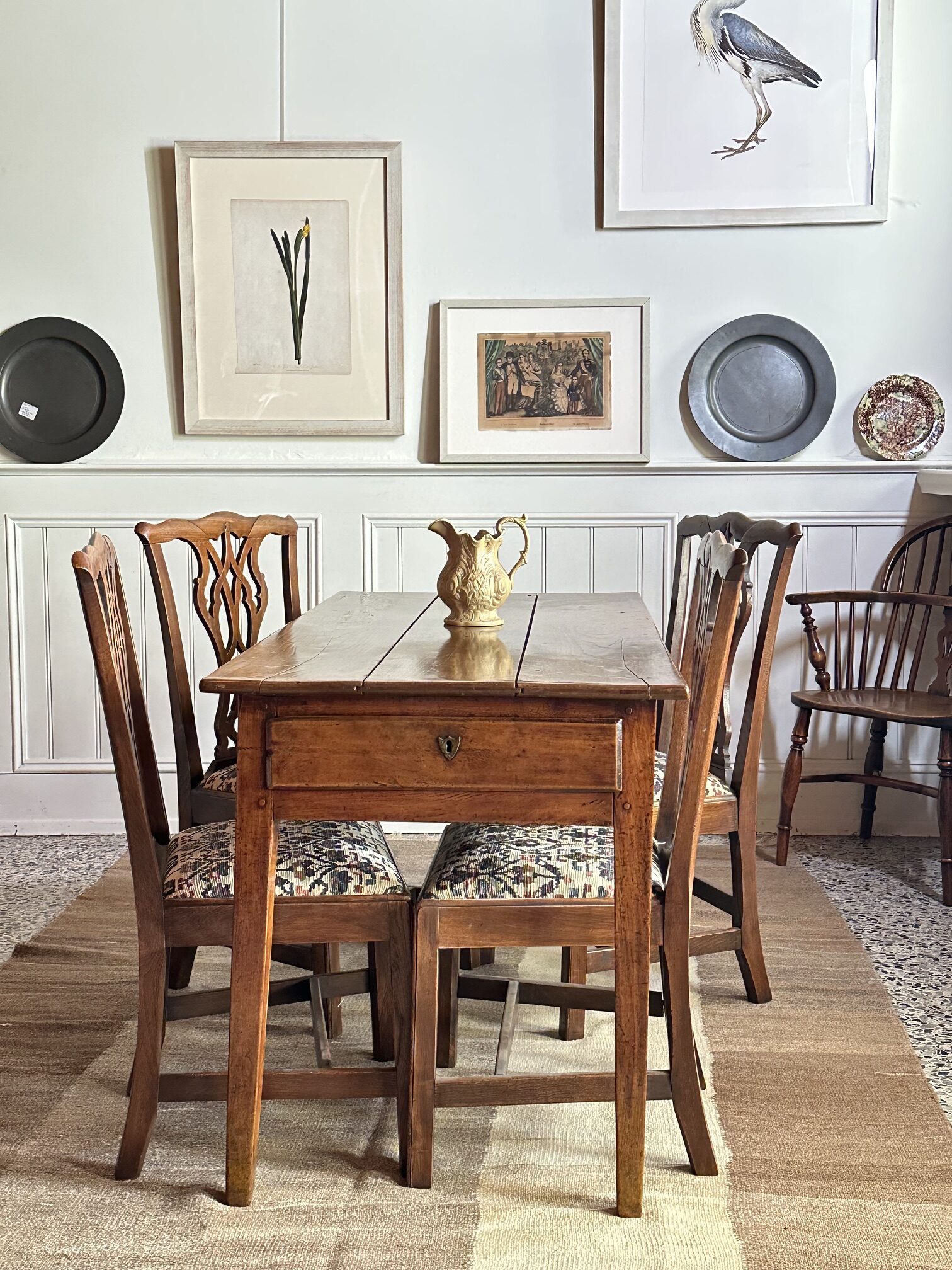
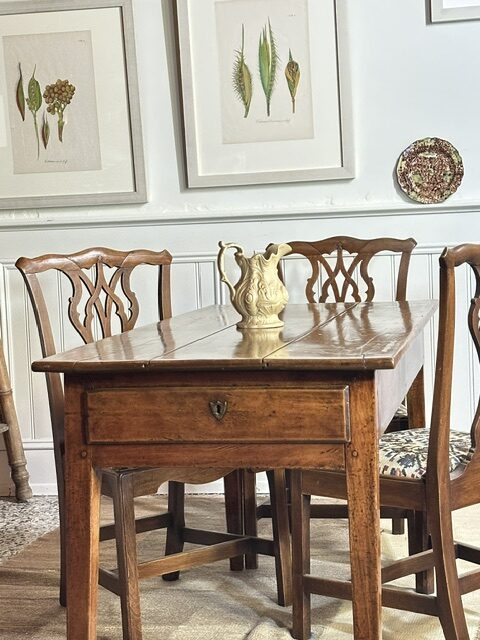
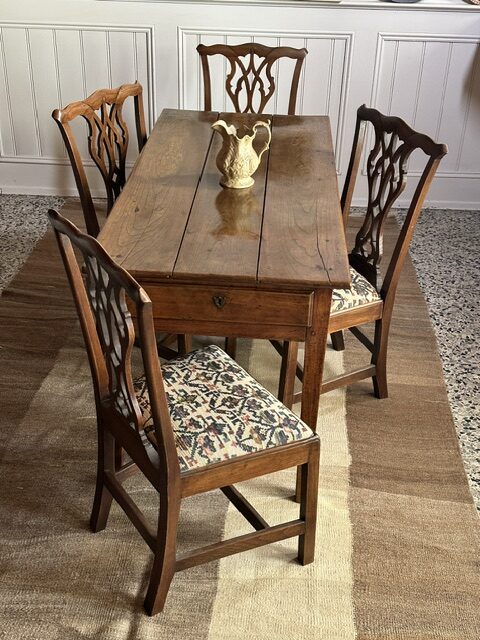
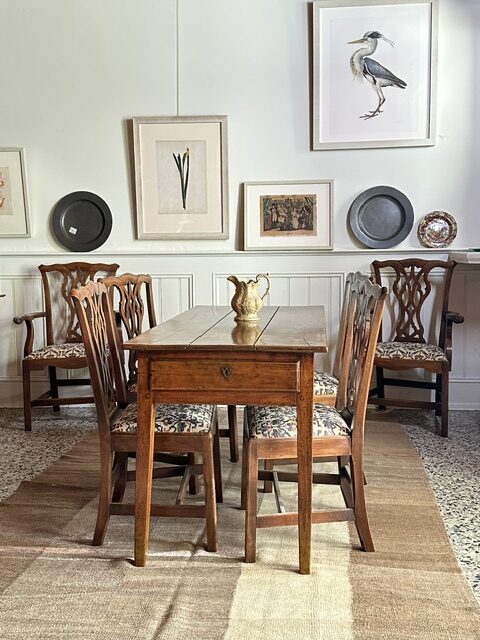
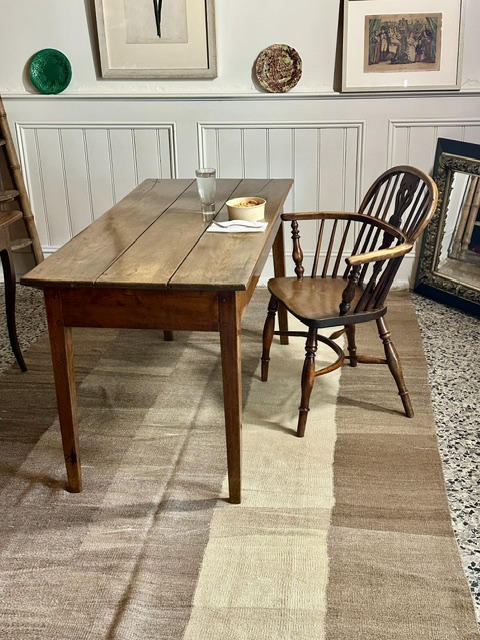
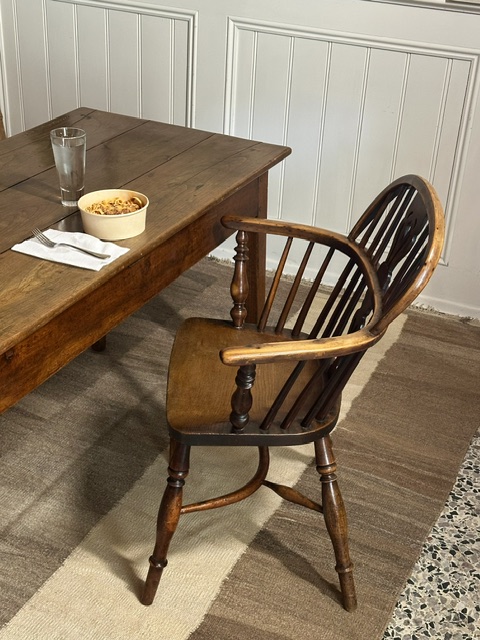
An exceptional set of six English elm country Chippendale style dining or occasional chairs.
Comprising of four chairs and two armchairs.
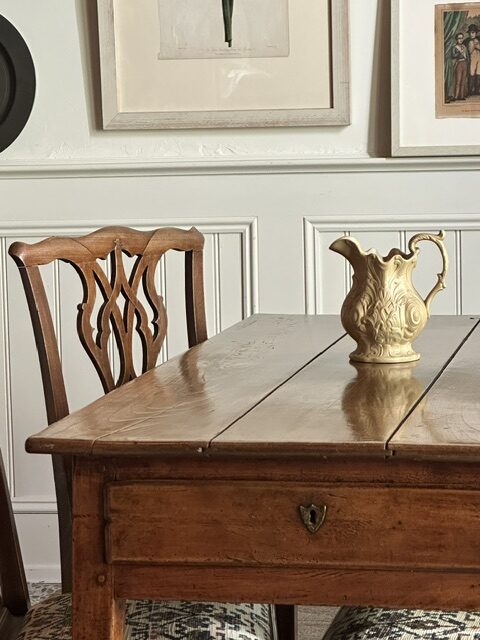
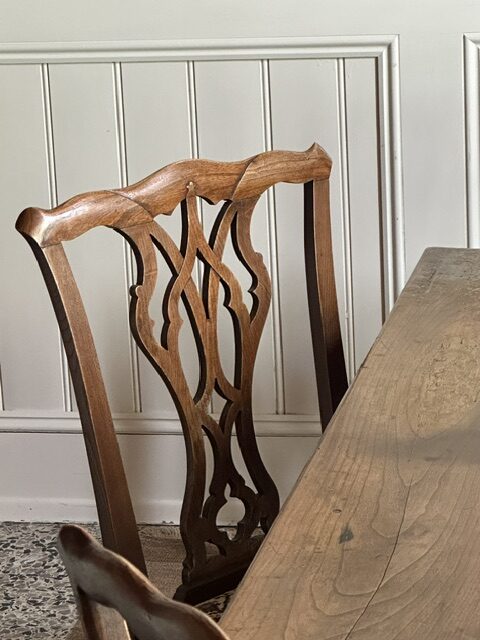
The shaped moulded top rail, having classic Chippendale ears, flowing through to the fret-carved centre splat, with tapered side supports.
An upholstered drop in seat, above an ogre-shaped front rail, resting on stylish moulded legs, joined by an “H” stretcher.
Good overall colour, still to be we wax finished.
Chairs approx 50cm wide.
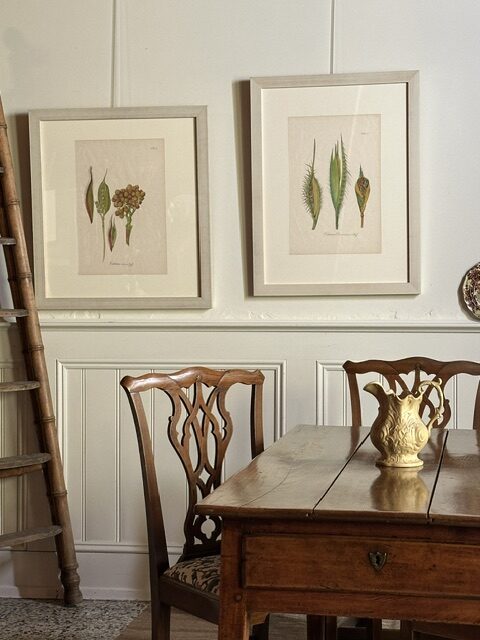
Two framed 19th century coloured lithographs, dedicated to the palm family.
(Several more unframed)
Thornton ‘Narcissus bursting from its Spatha’ 1808
Dr Robert John Thornton
London August 1, 1808
46 x 31cm
Framed, hand coloured 19th century lithograph of Napoleon.
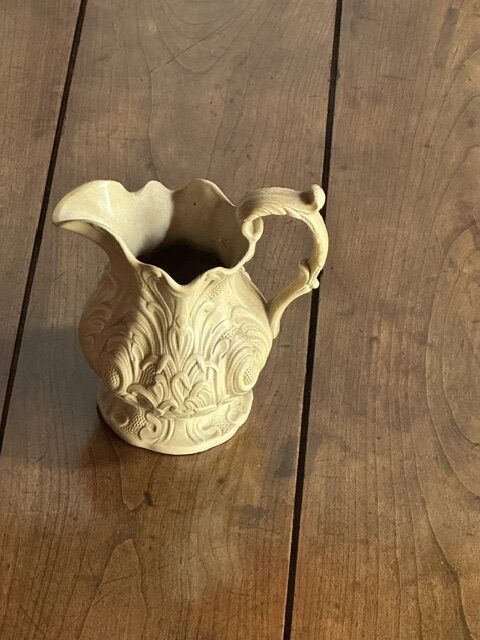
19th century English acanthus leaf styled stoneware jug 20 x 19cm
A pair of 19th century English pewter chargers.
14” – 34cm
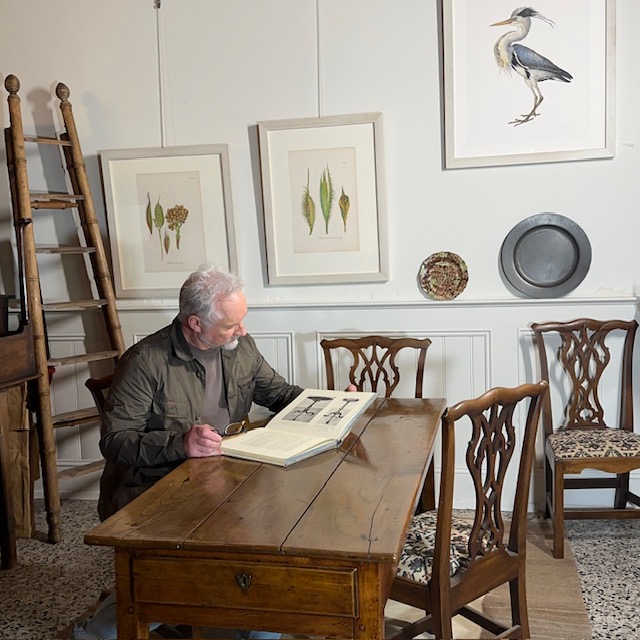
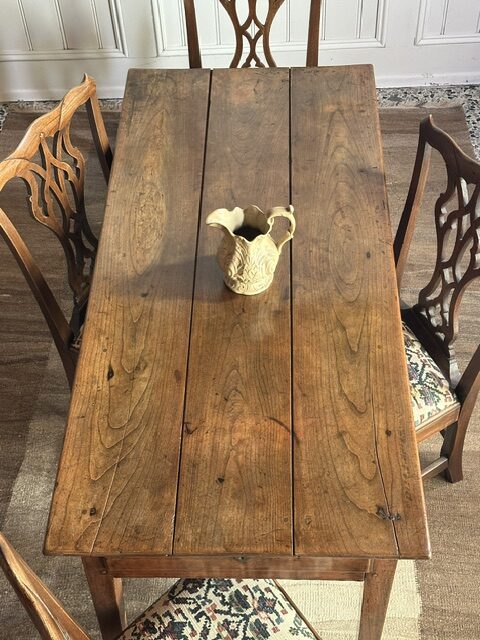
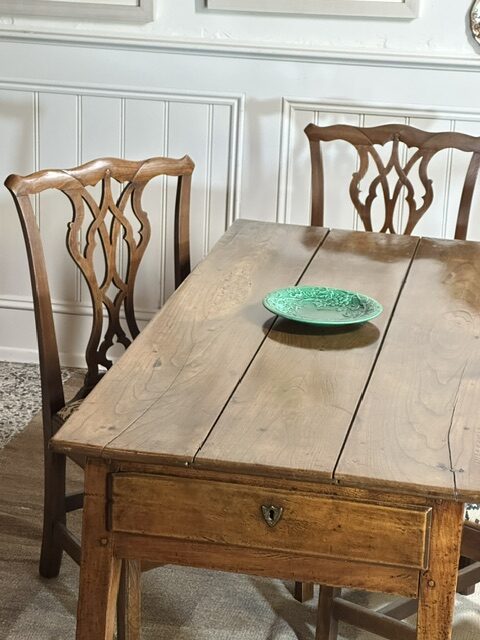
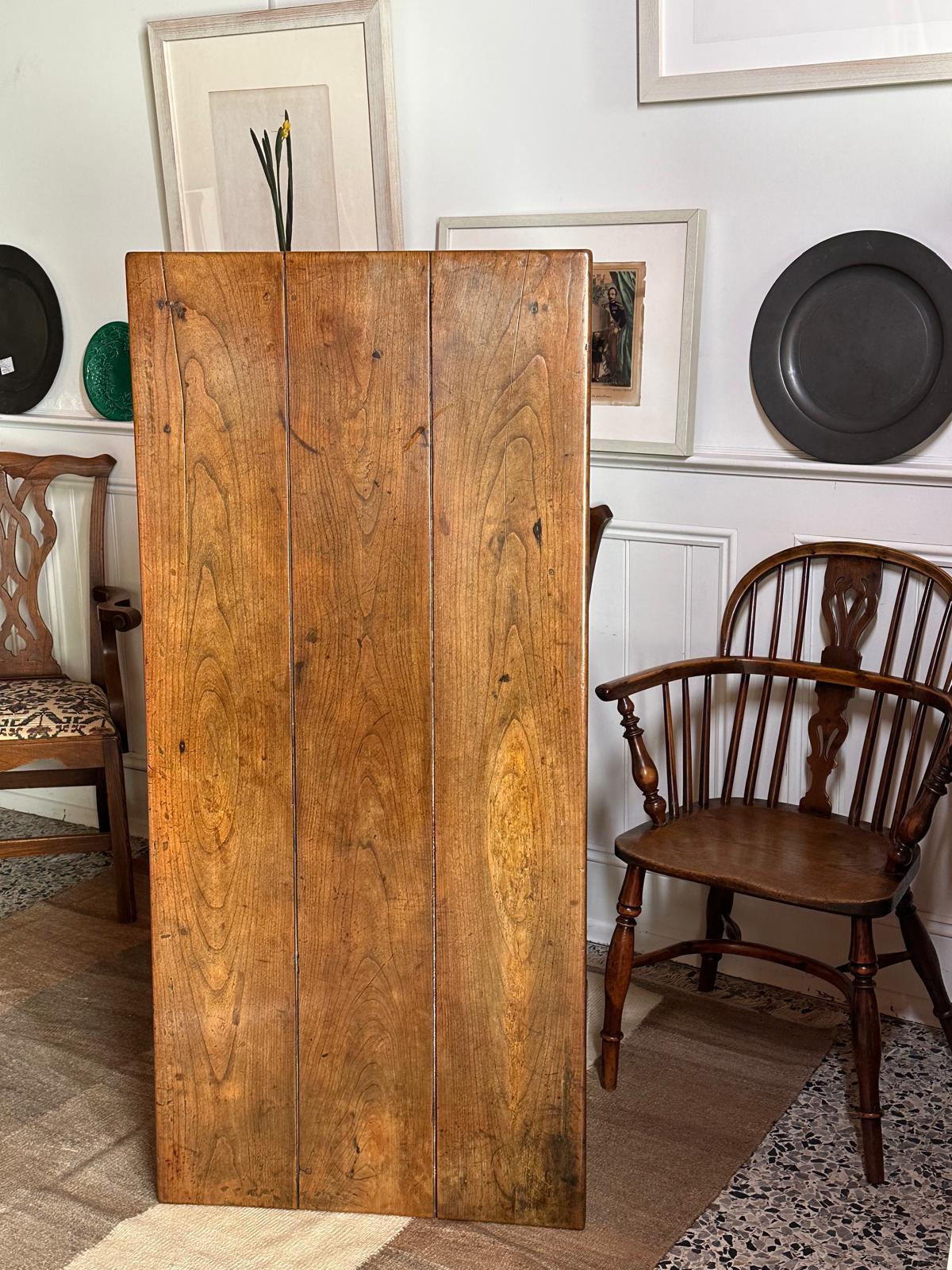
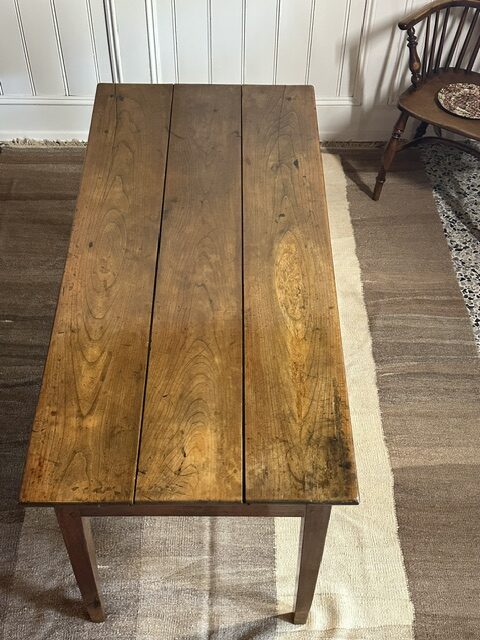
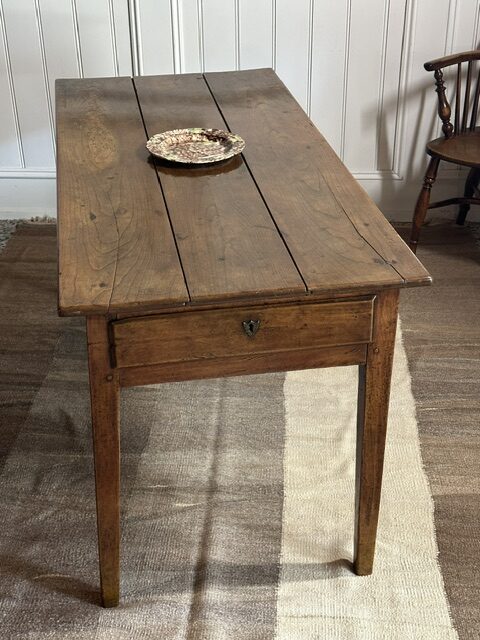
Funnily, over the past 36 years I’ve sold about a dozen smaller farmhouse tables/desks this size and smaller.
However, this is only the second I’ve sold thats slightly similar to another, and that one’s housed at a customers home in the next suburb, Clifton Hill.
BTW, you’ll see that table and many other great reference examples on my website – archives…
That’s the beauty of English country furniture and French provincial farmhouse and side tables. Every one is unique, no two are ever exactly the same. Thats why I chose English Period Oak, and selected French Provincial and European antiques, as I grew up restoring and learning the trade, dealing in Victorian and 19th century French, highly polished, fancy town furniture and matching objects d’art, of plated silver, ruby glass, carnival and ruby glass etc…
I longed for something different, luckily I opened near to John D Dunn Antiques. John Dunn and especially his son Francis helped me learn and then to specialise in the style I have. Including restoring subtly.
That made all the difference.
For that generous mentoring, I’ll be eternally grateful