Newly arrived in Australia
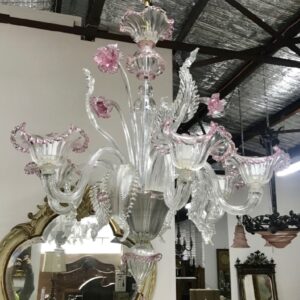
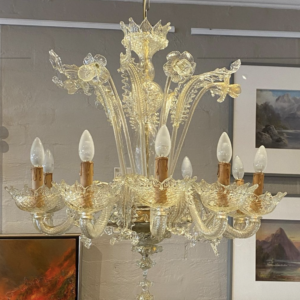
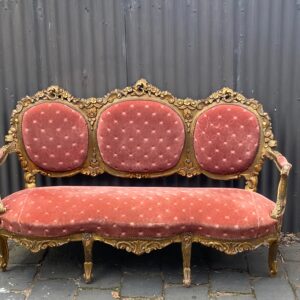
Being restored and rewired to Australian standards
Will be in showroom by end of July
The subtle touches of pink are refreshing
100% original flowers and leaves
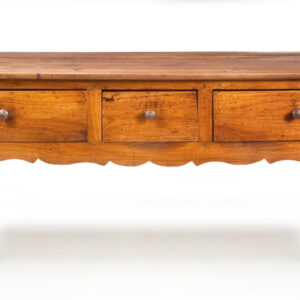
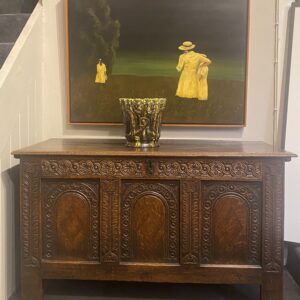
Of good deep proportions and fantastic overall faded colour and patination. The rectangular cleated top above a shaped frieze, housing three drawers, all the original turned handles and knotted elm drawer linings, resting on long slight shaped cabriole legs.
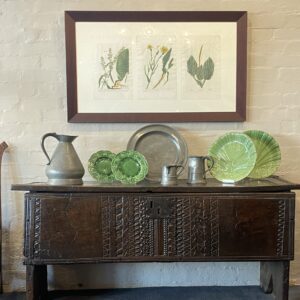
The two plank moulded iron hinged top, above a celtic circle floral carved top rail. Having three arched panels, flanked by four upright carved tulips. Resting on plain rectangular feet.
Good overall colour and patination.
C.1780
H.69cm
W.116cm
D.52cm
Martin Tighe – Conference – acrylic on board.
Mali Moir – Epaulette Shark – life size water colour.
Jeff Martin – 23 Times – oil on board
Three framed ‘Wolters Pears’ published 1880.
Rare 19th Century English Masons ironstone octagonal bowl.
19th century English stone wear acanthus leaf shaped jug.
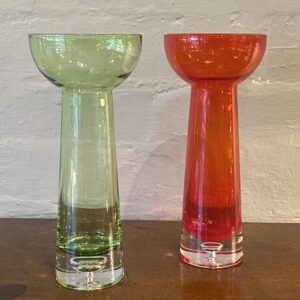
Krosno coloured glass bowl
19th century European Majolica,
Jardinière-Vase (Italian)
18th century English pewter charger
and three pomegranates
All carvings and patination original. Many coffers were carved into, especially during the 19th century.
I placed many items above this coffer to show how something around 150 years before Cook landed in our country, can blend so well in any space.
Simply beautiful!
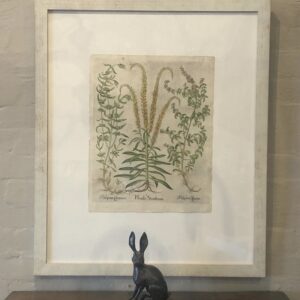
Hanging above, three framed Elizabeth Blackwell, The Curious Herbal 1730.
With 18th-19th century English pewter
with C19th English green majolica and C20th French green majolica.
A large 19th century Japanese Imari floor vase and a selection of Imari chargers.
Jeff Martin – 23 Times – 2006
Oil on board 112 x 98cm
Contemporary brass domed, cluster of glass balls table lamp.
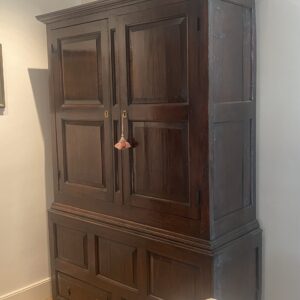
The classic lined cavetto shaped frieze above an unusual groove moulded central support, flanked by matching double fielded panelled doors. The base having three fixed rectangular fielded panels, above two panelled drawers, retaining the original brass drop handles. This early example resting on stump-feet.
(Soon after becoming bracket-feet)
Note: the interior floor lifting to reveal a hidden storage space.
(In the 18th century, secret drawers and compartments within bookcases, bureaus and chests of drawers was more common than not)